Understanding Physical Damage Coverage in Box Truck Insurance
Understanding Physical Damage Coverage in Box Truck Insurance
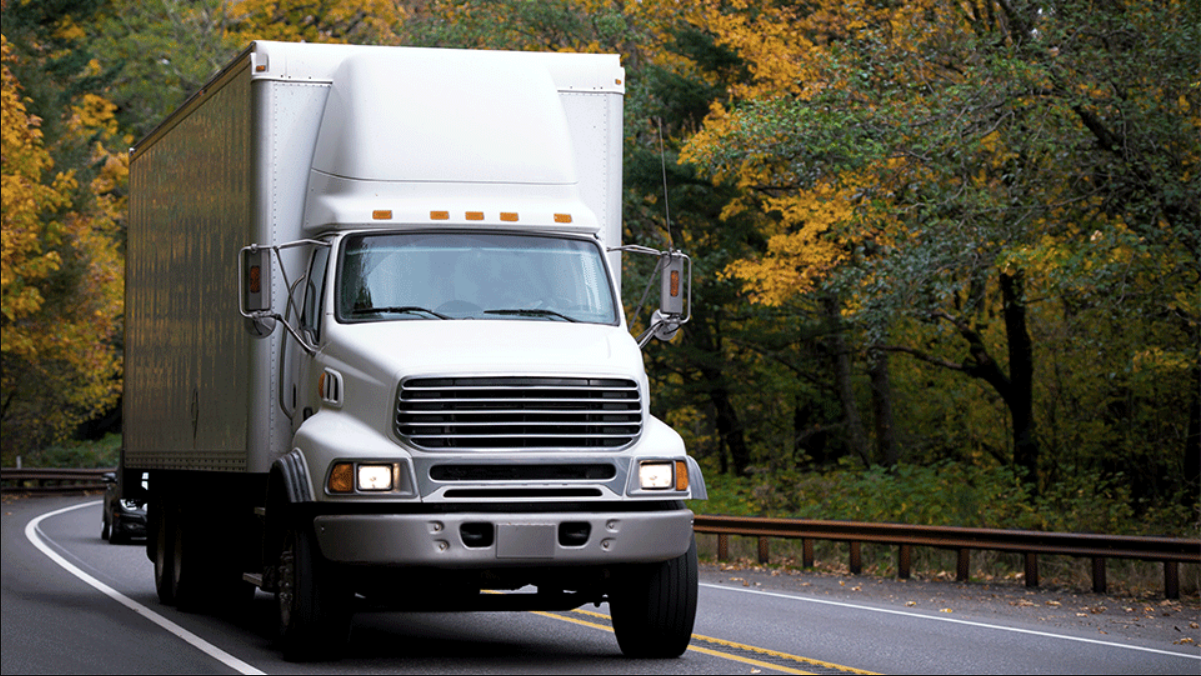
Running a delivery or freight business requires a significant investment in your fleet, making it essential to protect those assets from unforeseen disasters. While liability coverage handles damage you cause to others, it does nothing to repair your own vehicle after an accident or theft. This is where physical damage coverage becomes the backbone of a robust box truck insurance policy provided by Insurance Company Columbus Ohio. Without this specific protection, a single collision or a severe hailstorm could force your business to pay tens of thousands of dollars out of pocket for repairs or a total replacement. By prioritizing physical damage protection, you ensure that your trucks remain on the road and your business continues to generate revenue regardless of what happens on the highway.
The Dual Pillars of Physical Damage: Collision and Comprehensive
Physical damage coverage splits into two primary components: collision and comprehensive. Collision coverage pays for repairs if your box truck hits another vehicle, a guardrail, or a building. Whether in a busy city or a tight loading dock, this ensures quick mechanical and bodywork fixes. It acts as a financial safety net that preserves your equipment’s value after an impact.
Comprehensive coverage handles “acts of God” and non-collision incidents. This includes protection against fire, theft, vandalism, and extreme weather like wind or floods. If a thief steals a truck or a falling limb crushes the roof, comprehensive coverage steps in. Together, these pillars provide a 360-degree shield for your vehicles in any environment.
Actual Cash Value vs. Stated Amount
When setting up a policy, you must choose how the insurer calculates your truck’s value. Most standard policies use Actual Cash Value (ACV), which pays the market value minus depreciation. This works well for newer, standard trucks but may not cover expensive specialized equipment added later.
For many owners, “Stated Amount” or “Agreed Value” offers a better solution. This allows you to declare a specific value for the truck and modifications, such as custom liftgates or refrigeration units. Defining the value upfront avoids disputes during claims. It ensures your payout reflects the true cost of replacing your specific setup.
Strategic Deductibles and Fleet Budgeting
Choosing the right deductible is a critical strategic decision for fleet management. The deductible is the amount you pay before the insurer covers the remaining repair costs. Selecting a higher deductible, like $2,500 or $5,000, typically lowers your monthly premium significantly. This approach suits established businesses with cash reserves for sudden bills.
Conversely, a lower deductible provides immediate financial relief after an accident but increases fixed monthly costs. You should evaluate driver safety records and company cash flow when making this choice. Balancing your deductible with your premium ensures insurance remains an affordable tool for long-term growth.
Safeguarding Your Business Assets for the Long Haul
Investing in high-quality protection means you never have to worry about a single bad day ending your entrepreneurial journey. Physical damage coverage provides the security needed to navigate the unpredictable nature of the transportation industry. By tailoring your box truck insurance to include comprehensive and collision protections, you safeguard the very tools that drive your success. For business owners in the region who want to maximize their protection and minimize their risks, Insurance Company Columbus Ohio offers the expert guidance and personalized policies required to keep your fleet moving forward safely.